Ikebukuro Ramen Guide 2026
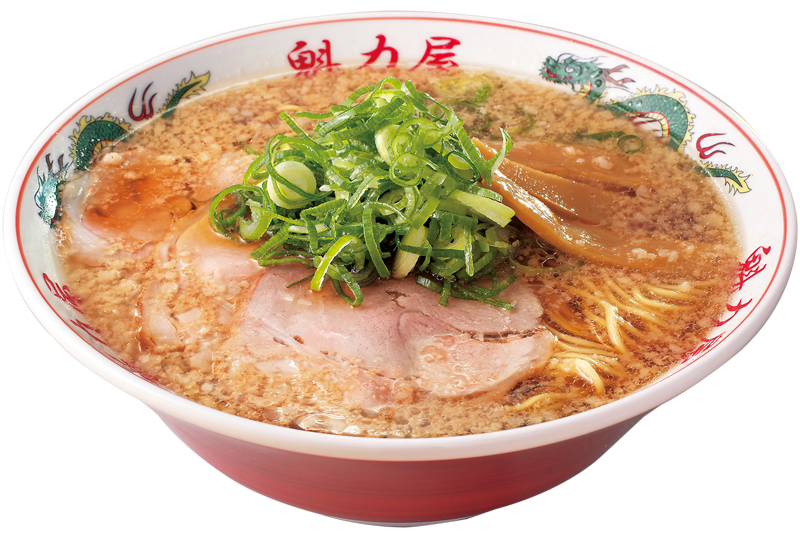
Ikebukuro has one of the highest concentrations of famous ramen shops in Tokyo, with queues forming daily at several locations. The district ramen scene covers the full spectrum of styles, from rich tonkotsu (pork bone) broth to chicken paitan, fiery miso, and experimental variations. Three shops define the Ikebukuro ramen landscape in 2026: Mutekiya for tonkotsu, Tori no Ana for chicken paitan, and Kikanbo for spicy miso. Each has a distinct identity and a dedicated following, and together they make Ikebukuro a legitimate ramen destination that rivals more famous areas like Shinjuku or Ebisu.
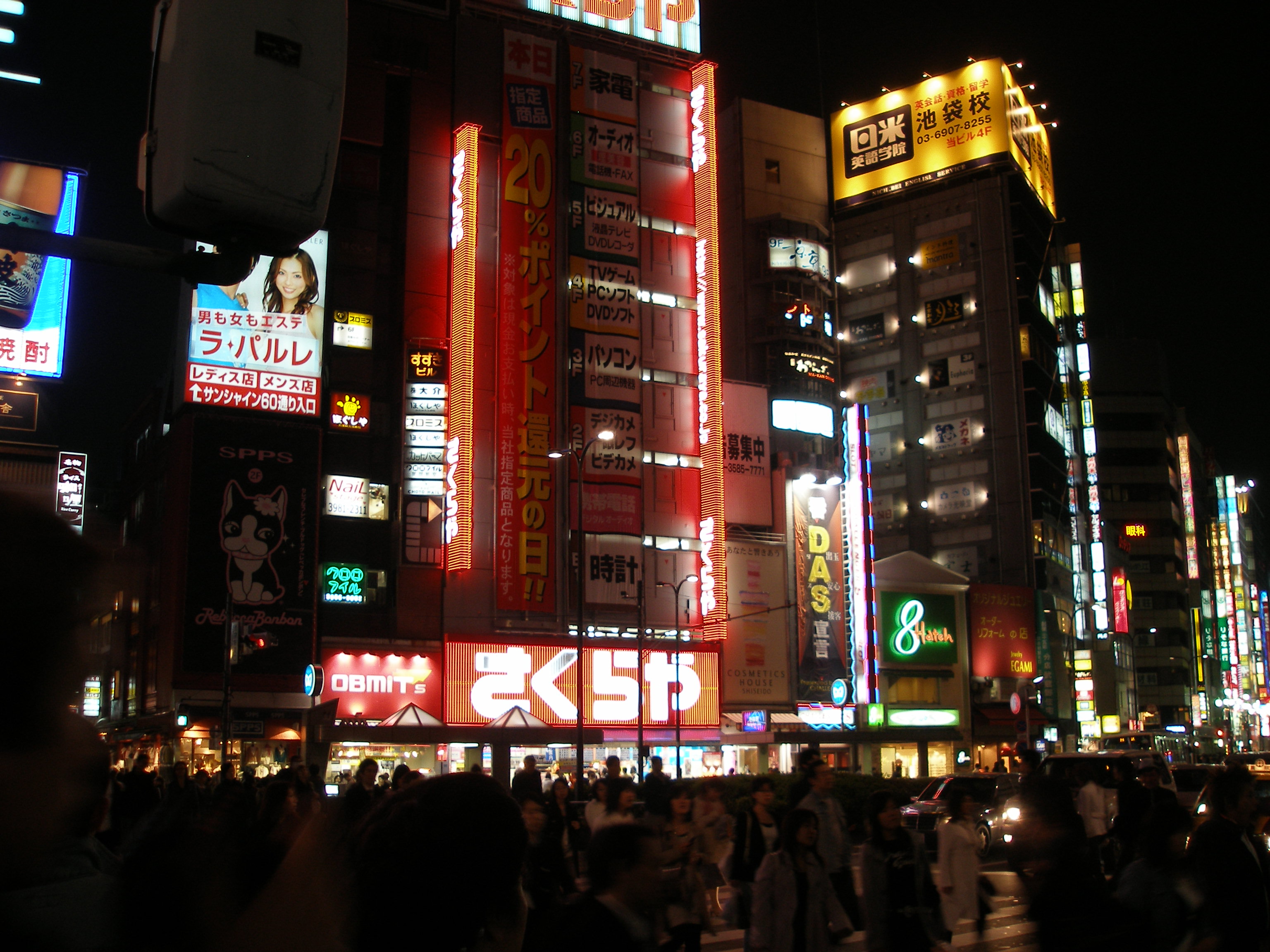
The ramen shops in Ikebukuro are concentrated within a 10-minute walk of the station, primarily on the east side toward Sunshine City and on the back streets near the west exit. Most shops open for lunch and dinner, with breaks between services. Queues are longest during peak lunch (12:00 to 13:30) and dinner (18:30 to 20:00) hours. Visiting at off-peak times, particularly weekday afternoons between 14:00 and 17:00, significantly reduces wait times.
Mutekiya: The Tonkotsu Standard
Mutekiya is the ramen shop with the longest daily queue in Ikebukuro, and the line starts before opening. The specialty is a rich tonkotsu (pork bone) soup that is not excessively fatty, making it accessible even to diners who normally find rich ramen too heavy. The broth is simmered for extended hours, producing a milky, collagen-heavy liquid that coats the noodles without leaving an oily film. The chashu (sliced pork) is tender and lightly flavored, and the ajitama (marinated egg) is consistently good.
The shop is located about a 5-minute walk from the east exit of Ikebukuro Station. English menus are available, and the staff are accustomed to international visitors. A bowl costs between 900 and 1,300 yen depending on toppings and size. The queue moves steadily but expect a 30 to 60-minute wait during peak hours. The shop has a ticket machine system where you purchase your order before sitting, so have cash ready.
Tori no Ana and Kikanbo
Tori no Ana, located about a 5-minute walk from the east exit, specializes in chicken paitan ramen. Paitan is a cloudy soup created by slowly simmering chicken bones until the collagen and fat emulsify into a rich, opaque broth. The result is lighter than tonkotsu but equally complex, with a distinct chicken flavor. Tori no Ana bowl costs around 900 to 1,200 yen and is a good alternative for diners who find pork broth too heavy.
Kikanbo is the destination for spicy ramen, serving a fiery miso-based broth with a variety of spices and chili levels. Diners choose their preferred heat level, and the recommendation for first-time visitors is to start at mild and work up. The miso base is rich and complex, and the spice builds rather than hitting immediately. A bowl costs 900 to 1,200 yen. The shop is on the east side of Ikebukuro and is recognizable by its demon (oni) themed decor.
Practical Details
- Mutekiya: 5 min walk from Ikebukuro Station East Exit. Tonkotsu ramen 900 to 1,300 yen. Expect 30-60 min wait at peak
- Tori no Ana: 5 min walk from East Exit. Chicken paitan ramen 900 to 1,200 yen
- Kikanbo: East side of Ikebukuro. Spicy miso ramen 900 to 1,200 yen. Choose your heat level
- Nearest station: JR Ikebukuro Station (East Exit), Tokyo Metro Ikebukuro Station
- Best time: Weekday afternoons 14:00 to 17:00 for shortest waits. Avoid weekend lunch and dinner peaks